Lighting illustration pilot
Twelve generated illustrations explore how the same neutral subject can explain lighting vocabulary. A pale plaster bust, pedestal, and sphere provide facial planes, curved surfaces, and cast shadows to compare. The key-light image is the common reference for every subsequent image.
Status: candidate illustrations. These are generated interpretations, not calibrated renders of a measured lighting rig. Reference editing aims to preserve geometry and framing, but does not guarantee exact continuity. Roles, directions, and visible effects overlap: a soft side key can also create a rim.
Start with key versus fill, hard versus soft, and high-key versus low-key. Read the cast shadows and facial planes as well as overall brightness.
Key and fill
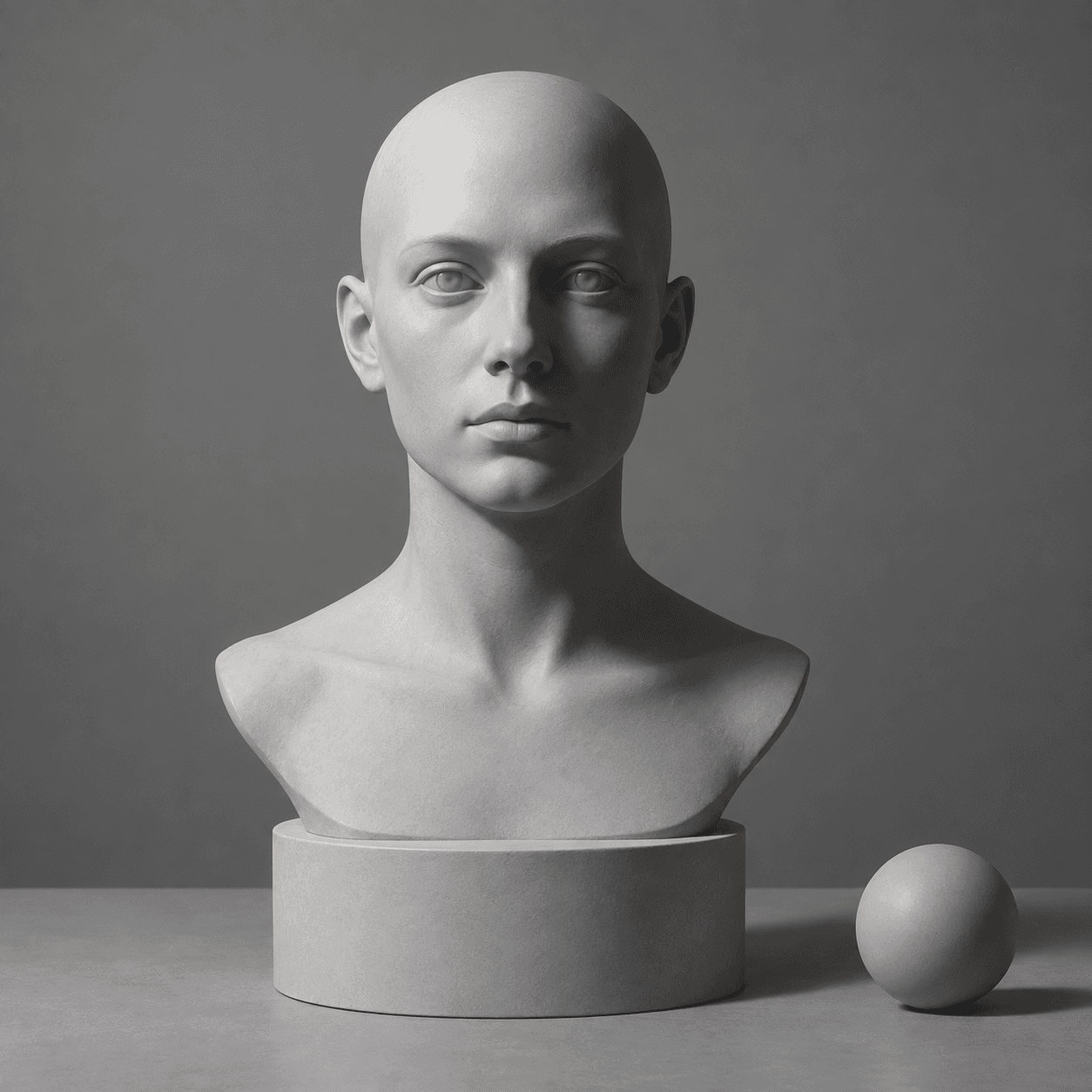
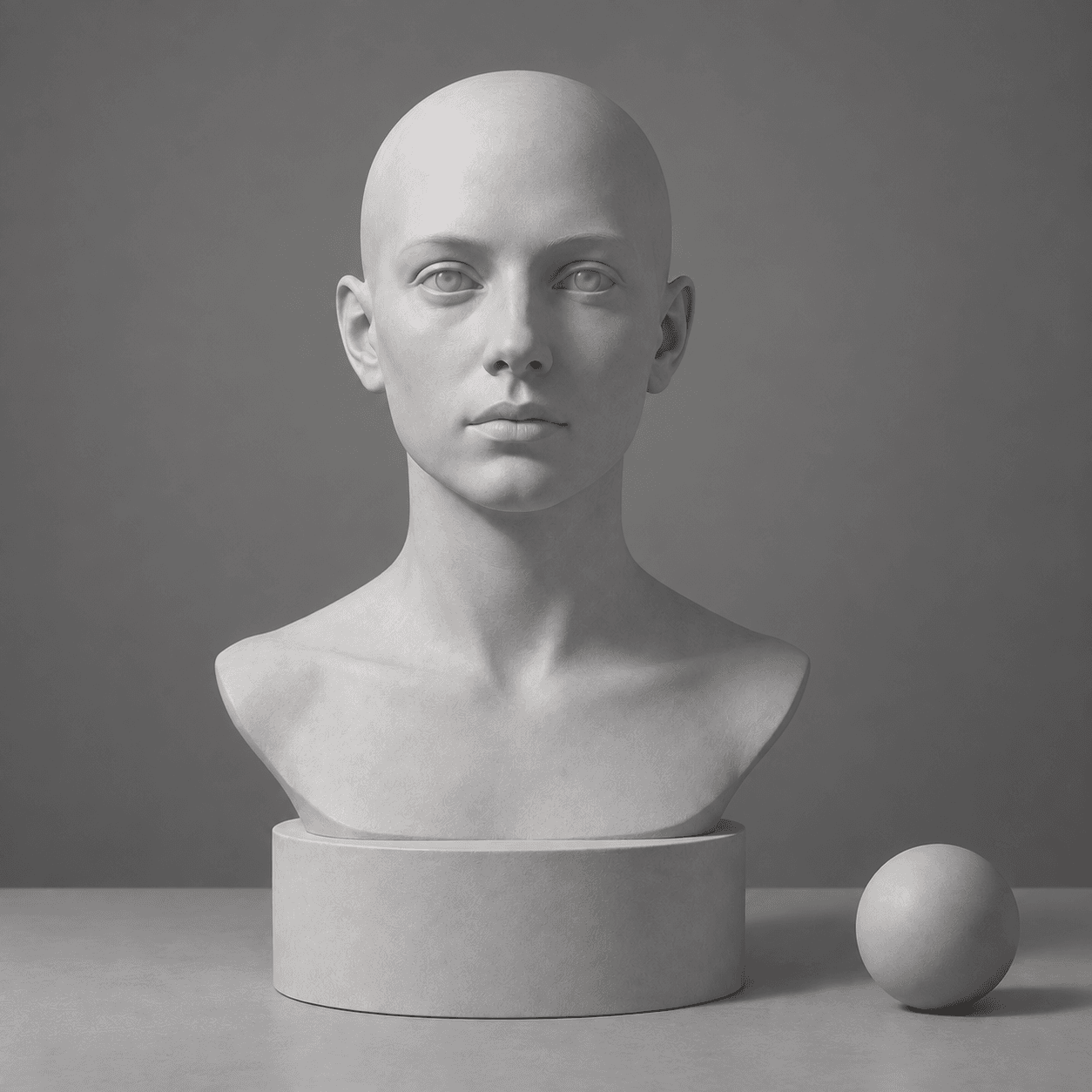
Key light describes the principal contribution, not a fixed direction or fixture. Fill light raises shadow visibility; it need not remove all shadows. Compare these images as a teaching approximation, not an exposure-matched measurement.
Backlight and rim light

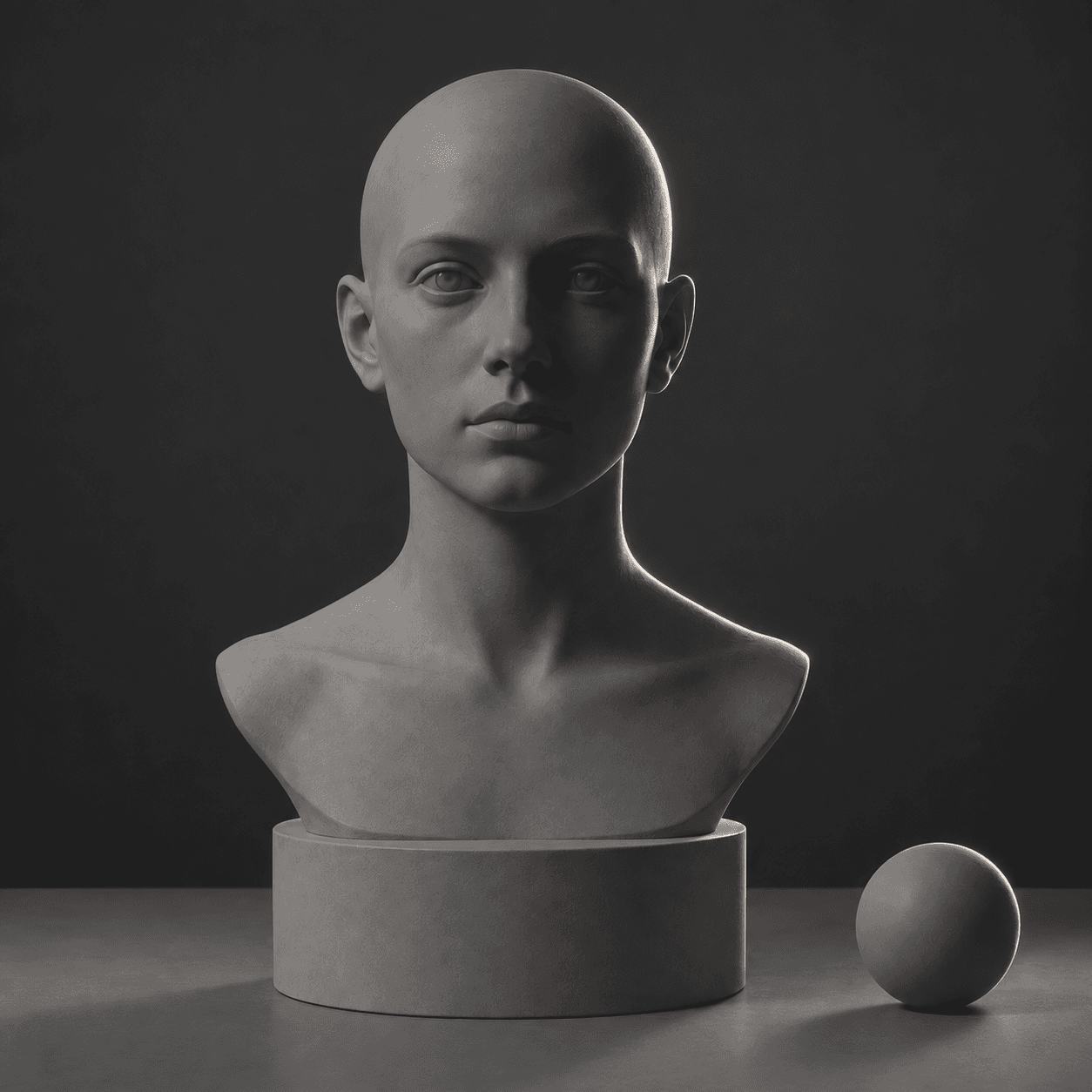
Backlight describes placement relative to the camera and subject. Rim light describes a visible edge effect. A backlight can create a rim, so these are not mutually exclusive categories. Lighting only the background is a different role.
In this pilot, the backlight is added to existing front illumination: the face remains readable, and the rear contribution catches the head and shoulders. It is not an isolated backlight-only setup.
Hard and soft light
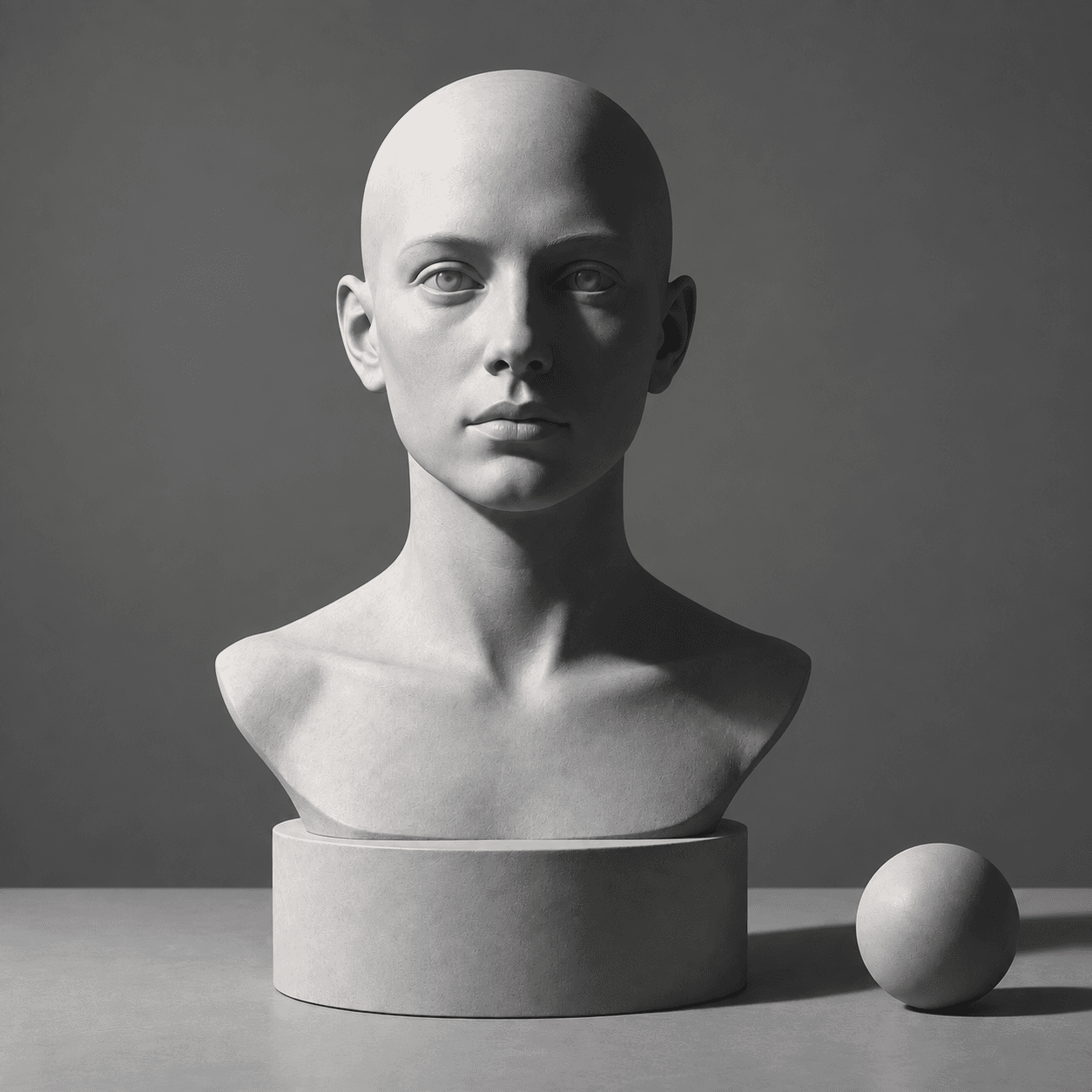
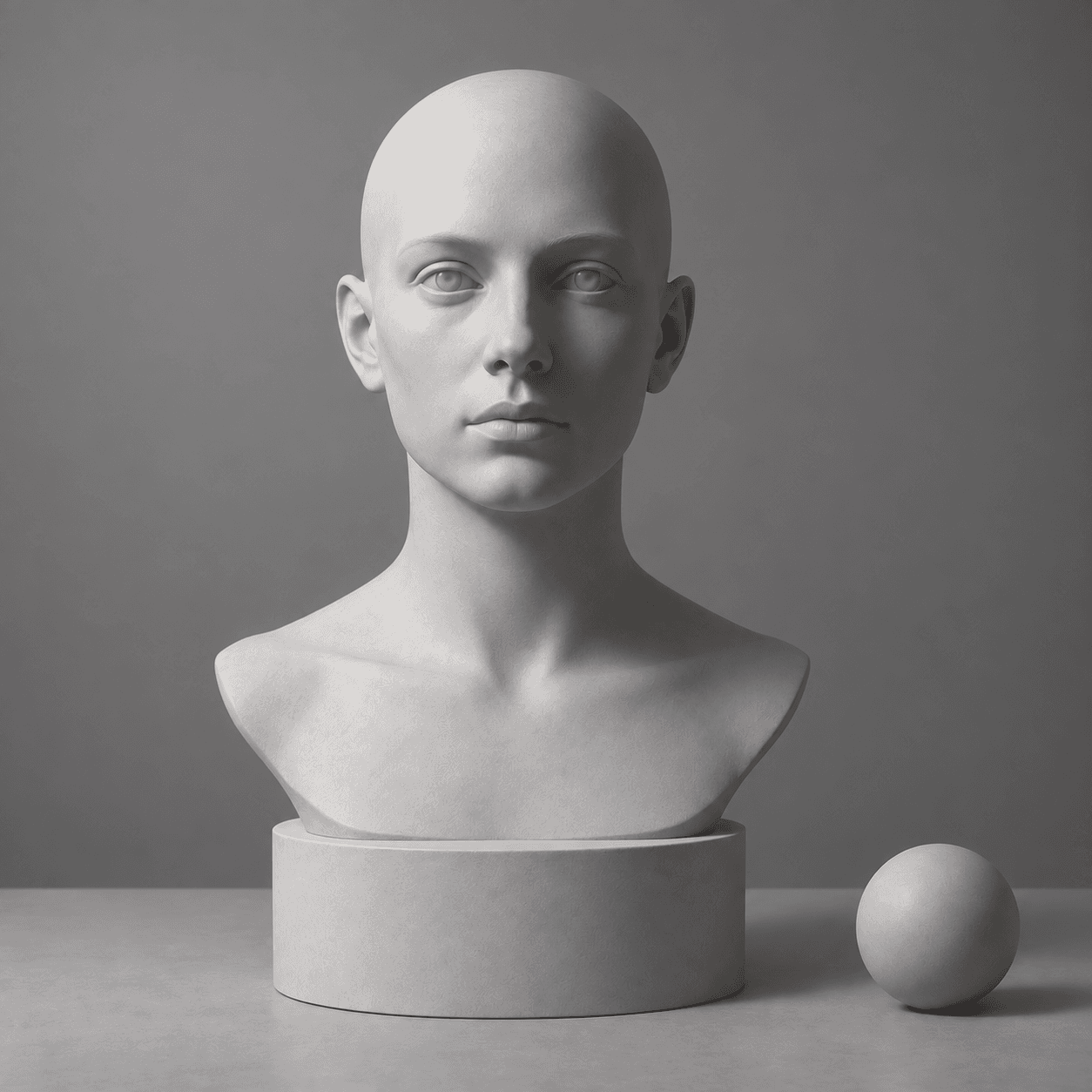
Hardness and softness concern shadow transitions. They are distinct from brightness and overall contrast. A soft source can still leave substantial dark areas; a hard source can be supplemented with fill.
The generated soft-light image also has brighter shadows and background. Compare the width of shadow transitions, especially around the neck and on the tabletop; this pair does not isolate source size as its only variable.
Direction
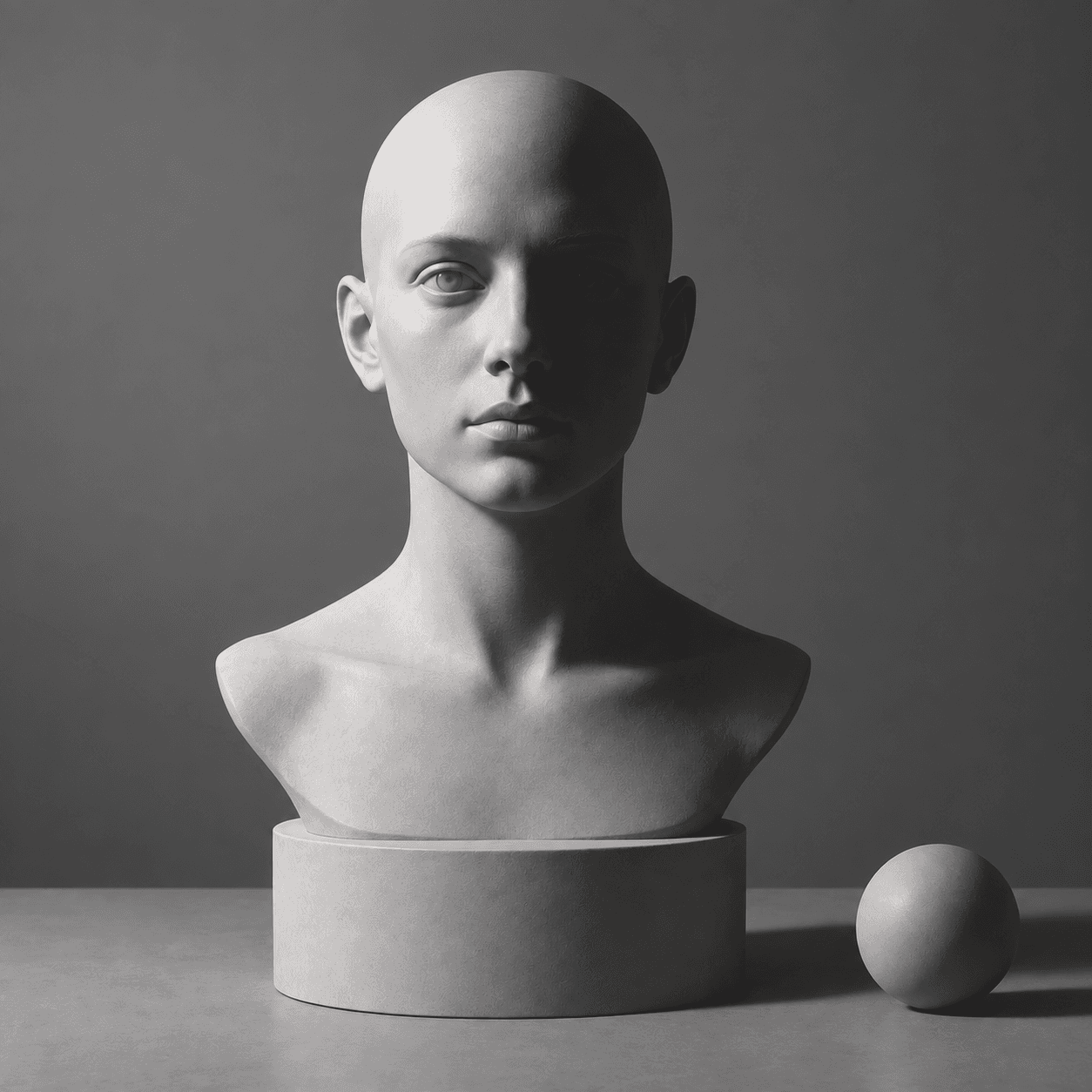
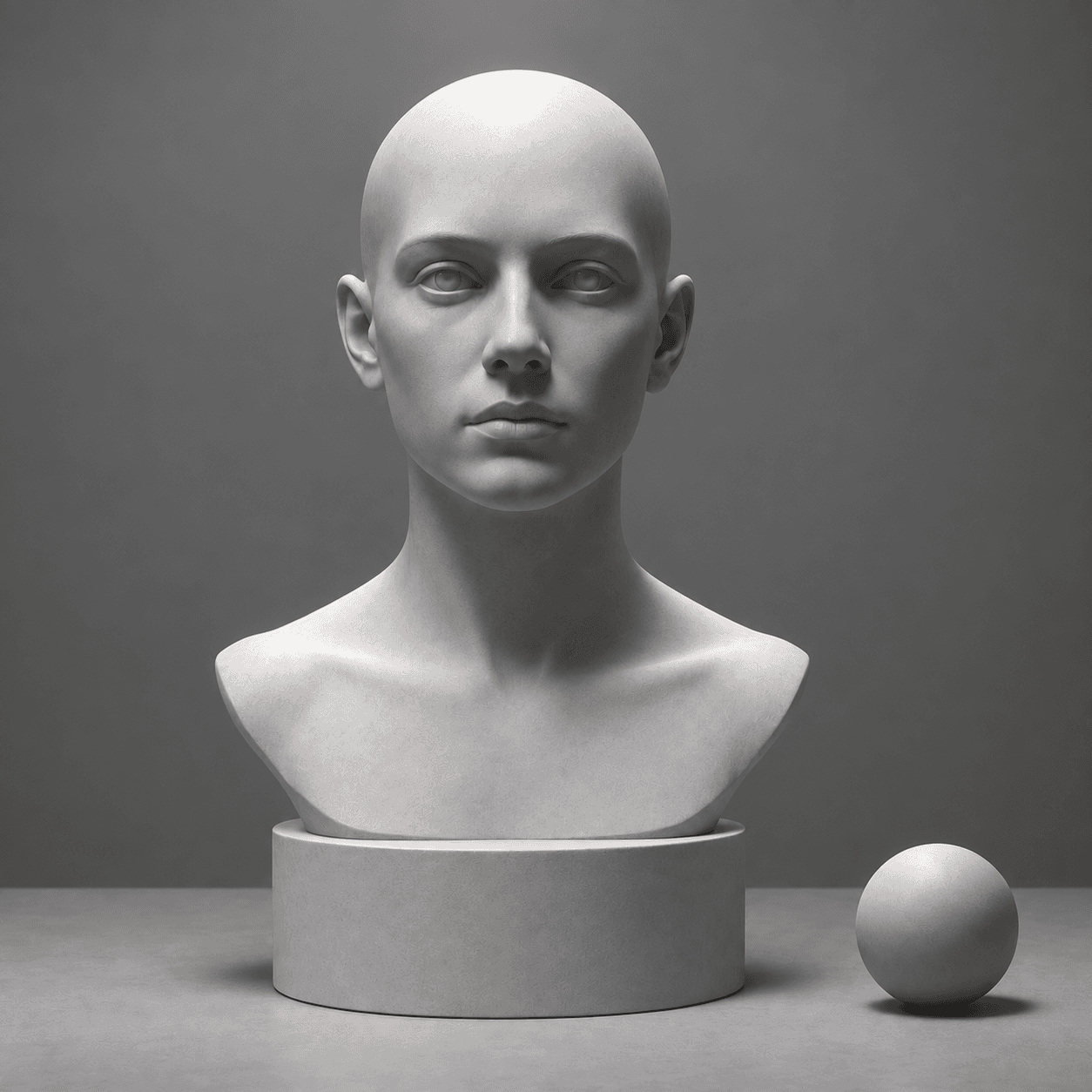
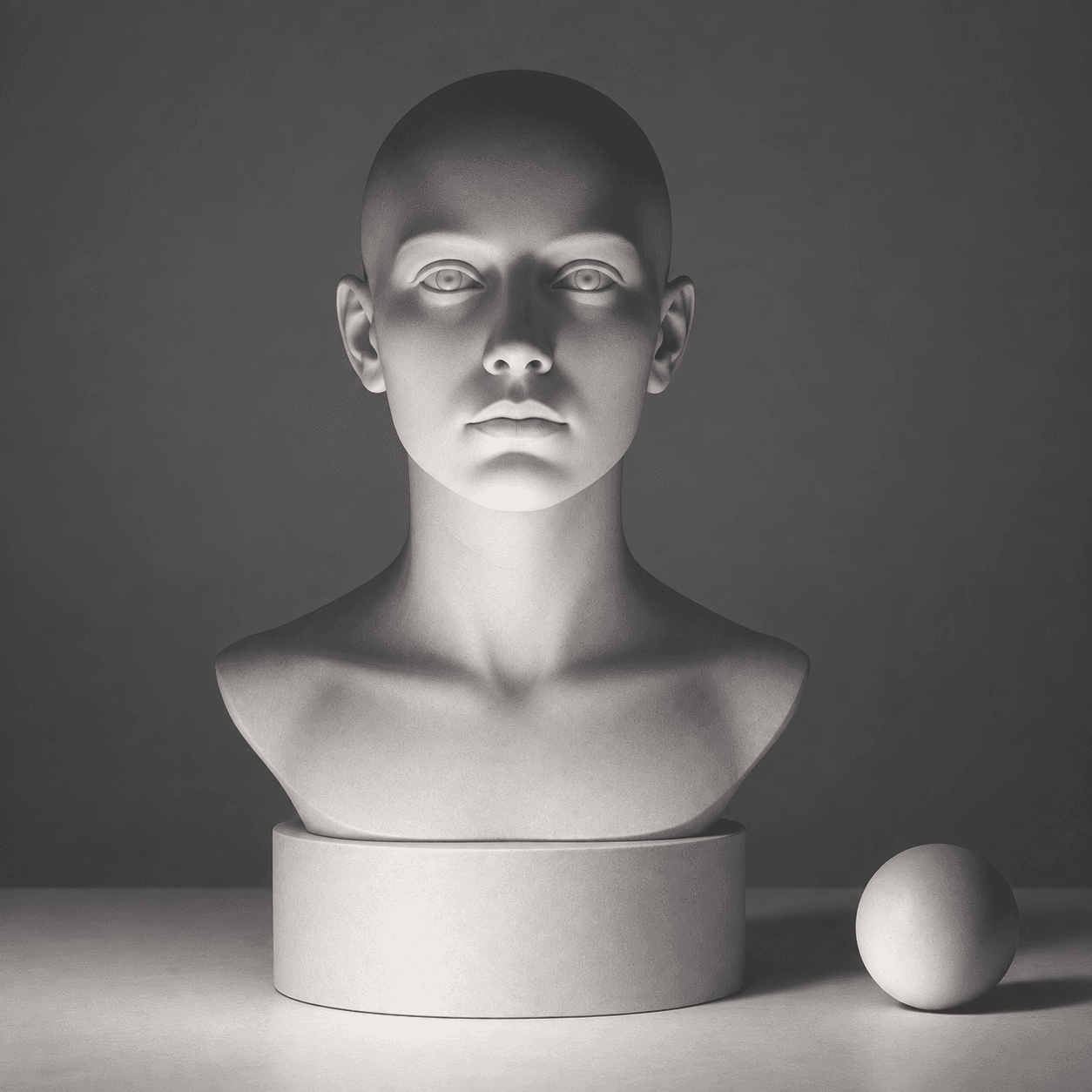
Side, top, and underlighting describe direction. Their appearance also depends on source size, head orientation, fill, and the surrounding environment. None guarantees a particular emotion.
Overall lighting approach
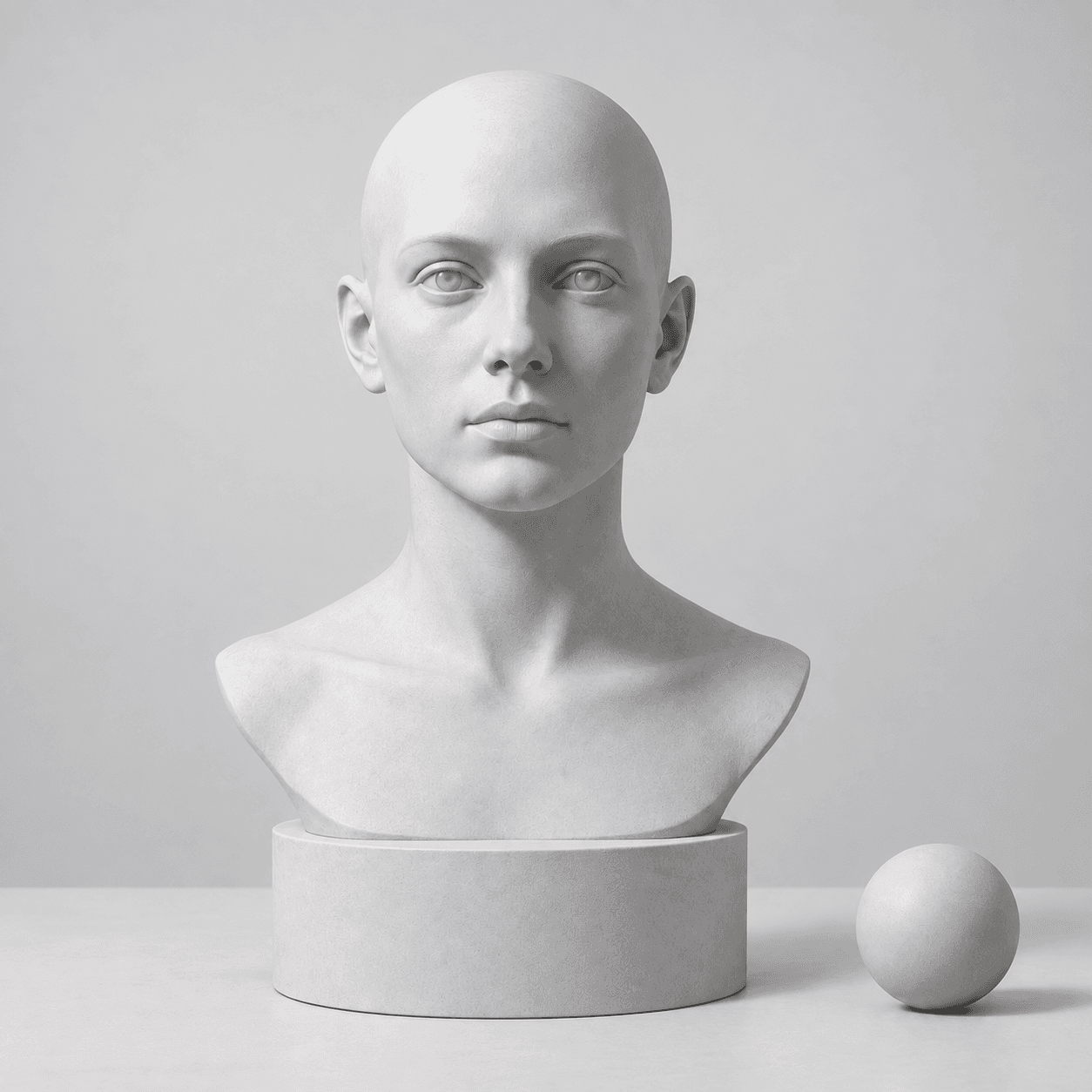
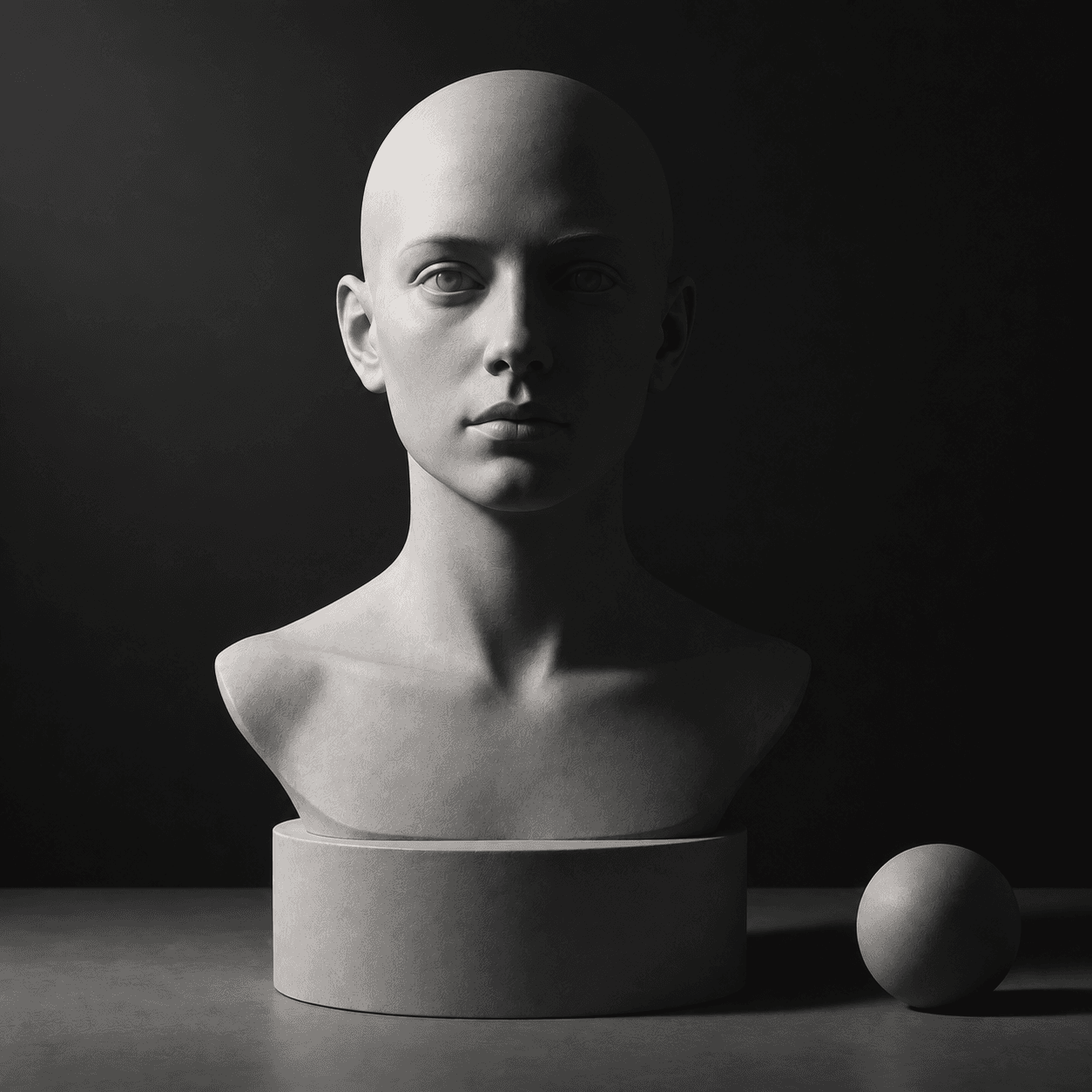
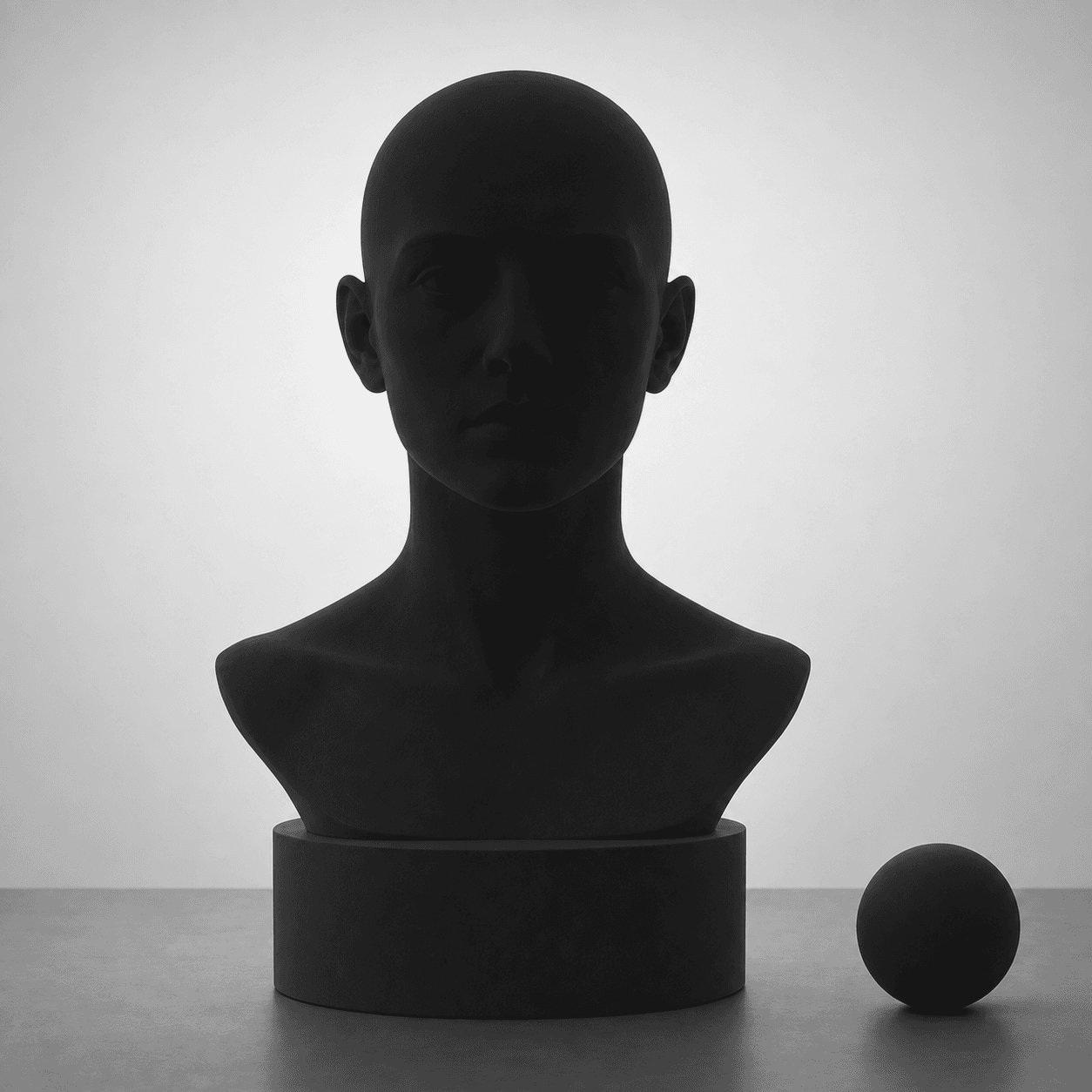
High-key does not require clipped whites. Low-key is a controlled relationship between lit and dark areas, not simply a dimmed image. A silhouette depends on the subject being dark relative to its background; a bright rim alone does not establish one.
This silhouette retains faint interior detail in the face and chest. It demonstrates a predominantly dark shape against a bright background, rather than a completely featureless cutout.
Editable records and provenance
- Prompts preserve the full generation brief and reference relationships.
- Asset manifest maps every image to its stable vocabulary ID and records its dimensions, file hash, and review notes.
- Generation receipts identify the twelve provider-returned files. Twelve generation calls produced twelve retained images; no rerolls were made.
Each variant references the original key-light image directly, avoiding a chain of edits through different lighting treatments. The illustrations contain no generated labels; headings and captions remain editable text.
Review criteria
Review the intended distinction at thumbnail size, continuity of the bust and framing, coherence of highlights and shadows, and preservation of useful tonal detail. File integrity and correct vocabulary links are checked separately from visual teaching quality. The manifest records limitations per image; candidate status does not imply a physically verified light setup.
The visual review found all twelve usable for a candidate gallery: nine passed directly and three passed with the caveats described above (backlight, soft light, and silhouette). Geometry and framing appear consistent across the set. All delivered images are 1254 × 1254 pixels.